


























Preparing for Winter Roads

Posted by Sophie on 24/11/26
Winter travel in the UK is rarely about one dramatic snow day; it is more often a mix of heavy rain, early darkness, cold snaps, sudden frost, and patchy ice that leave roads inconsistent mile to mile.
Preparing for winter roads therefore means building a repeatable routine: make a sensible go/no-go decision, put your vehicle in a reliable condition before temperatures drop, carry a practical winter road safety kit, and adjust how you drive so you always have time and space to respond without impacting your day.
This guide sets out a structured approach you can reuse all season, whether you are commuting locally or planning a longer cross-country journey.
Start with a decision: do you need to travel?
The safest winter driving tip is the one that happens before you pick up the keys. If official weather warnings, local reports or your own observations suggest conditions are deteriorating, treat postponing non-essential travel as a normal safety choice—not an overreaction. Roads that look fine at low altitude can be icy on bridges, exposed rural stretches and higher ground, and the return journey may be worse than the outbound leg.
Use a simple decision checklist before every winter trip:
Weather: check the latest Met Office forecast and any warnings for your route and destination.
Road status: look for local authority updates, National Highways updates (for motorways and major A-roads), and live traffic conditions.
Time pressure: if being late would tempt you to hurry, change the plan now (leave earlier, rearrange, or switch to a remote option).
Vehicle confidence: if anything is borderline—tyres, battery, wipers, lights—solve it before you commit to the journey.
Making the decision early matters because it prevents “I’m already on my way” momentum. Winter risk rises quickly when you feel you have no choice but to continue.
Plan the journey like a winter journey (not a summer one)
In winter, your margin for error is smaller and delays are more likely, so the plan needs extra slack. Choose primary routes that are more likely to be treated and gritted, and avoid last-minute shortcuts that take you onto steep, narrow or poorly-lit roads unless you know they are suitable.
Before you set off:
Build in time: include time to de-ice, clear snow, and let the car demist properly.
Tell someone your plan: for longer trips, share your approximate route and arrival time.
Keep alternatives ready: know where you would stop if conditions worsen
Think about daylight: darkness arrives early; visibility and fatigue can become factors sooner than you expect.
If you drive an electric vehicle, plan charging with extra buffer. Cold temperatures and cabin heating can reduce real-world range, and diversions can turn a “fine” plan into an anxious one.
Prepare the car before temperatures fall
Winter road safety starts weeks before the first frost. A vehicle that is “basically fine” in mild weather can become unreliable when starting requires more power and grip becomes harder to find. Aim for predictable performance: the car should start reliably, see clearly, stop consistently, and be visible to others.
Tyres: grip is your foundation
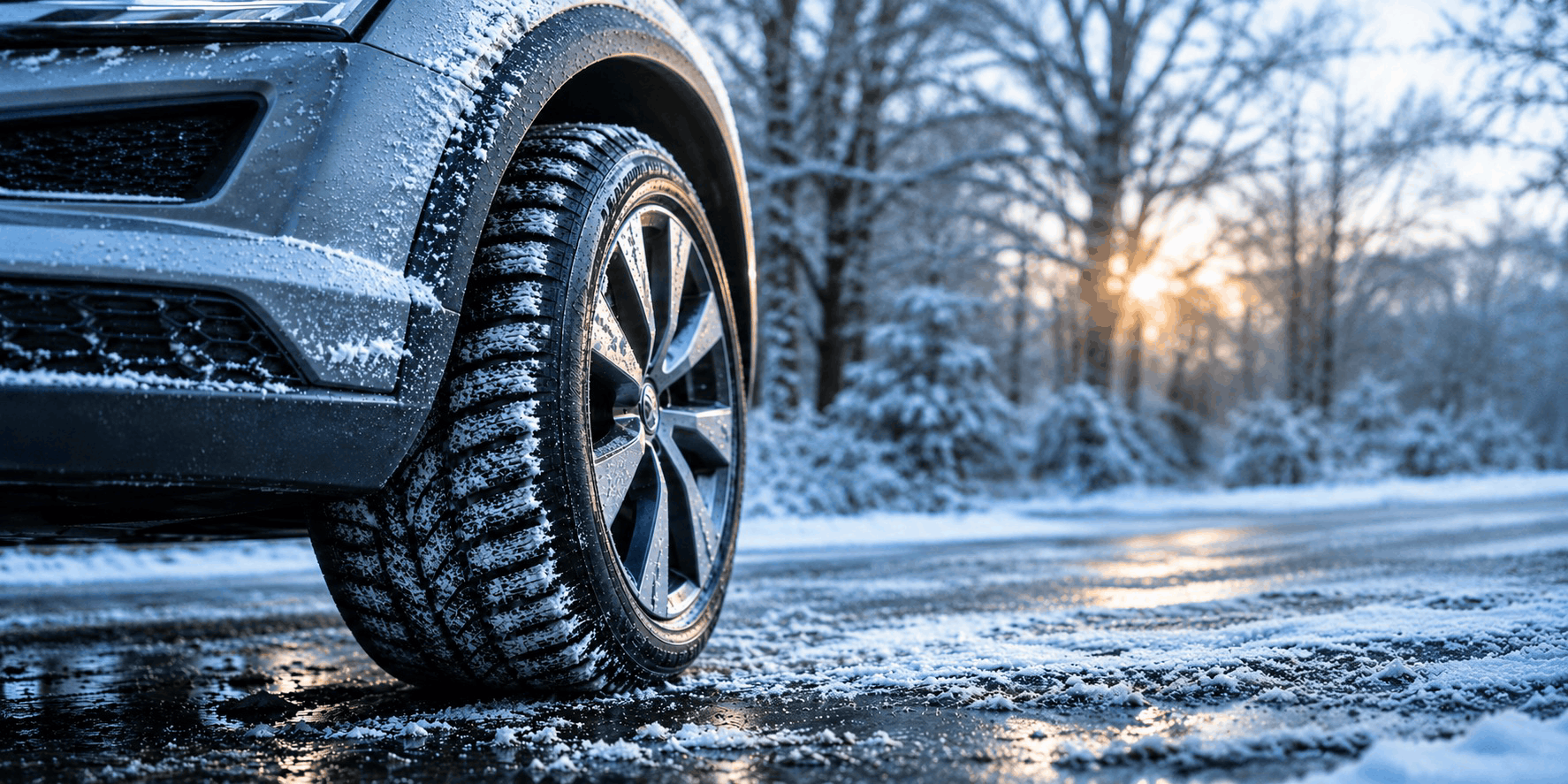
Tyres are the single biggest practical difference-maker on cold, wet and icy surfaces. Check:
read depth: The UK legal minimum for cars and light vans is 1.6mm. However, the RAC recommends replacing tyres at 3mm tread depth, as reduced tread depth can affect grip and braking performance in wet conditions.
Tyre pressure: Check your tyre pressures when the tyres are cold and follow the vehicle manufacturer's recommendations for the load being carried. Incorrect tyre pressure can affect handling, braking and tyre wear. For further guidance, visit TyreSafe.
Tyre condition: Look for cuts, bulges, cracks or uneven wear. As highlighted in The Highway Code, uneven tyre wear could indicate issues with wheel alignment or suspension. If you notice any damage, have your tyres professionally inspected before driving.
If you regularly travel in areas that see frequent snow or sustained low temperatures, consider whether winter tyres (or all-season tyres that meet appropriate performance standards) make sense for your use. Whichever tyre type you use, ensure they are fitted as a matched set and maintained correctly.
Battery and electrics: cold exposes weakness
Cold weather increases the effort required to start an engine and can reduce battery efficiency. If starts are already sluggish, treat that as a warning. Check the battery condition, charging system and terminals. Also confirm that your vehicle’s electrical essentials are functioning: headlights, brake lights, indicators, fog lights and heated screens (if fitted).
Fluids, wipers and demisting: see and be seen
Visibility failures cause winter crashes as surely as loss of grip. In advance of the season:
Screenwash: use a winter-grade mix appropriate for freezing temperatures so it does not turn to slush when you need it most.
Wiper blades: replace blades that smear or chatter; in winter rain and spray.
Coolant/antifreeze: ensure the correct concentration and level, following your handbook guidance.
Heating and demisting: confirm the fan, heater and air direction controls work effectively; a fogged windscreen is a serious hazard.
Finally, keep lights and number plates clean. Winter roads coat vehicles in grime quickly, and “I thought my lights were on” is not the same as being clearly visible.
Build a practical winter road safety kit (and keep it accessible)
A winter road safety kit is not about heroic self-rescue; it is about coping safely with delays—especially if you are stuck in traffic, waiting for recovery, or diverted for long periods. Pack for the people in the vehicle, the likely duration of a delay, and the conditions outside.
A sensible kit for UK winter driving typically includes:
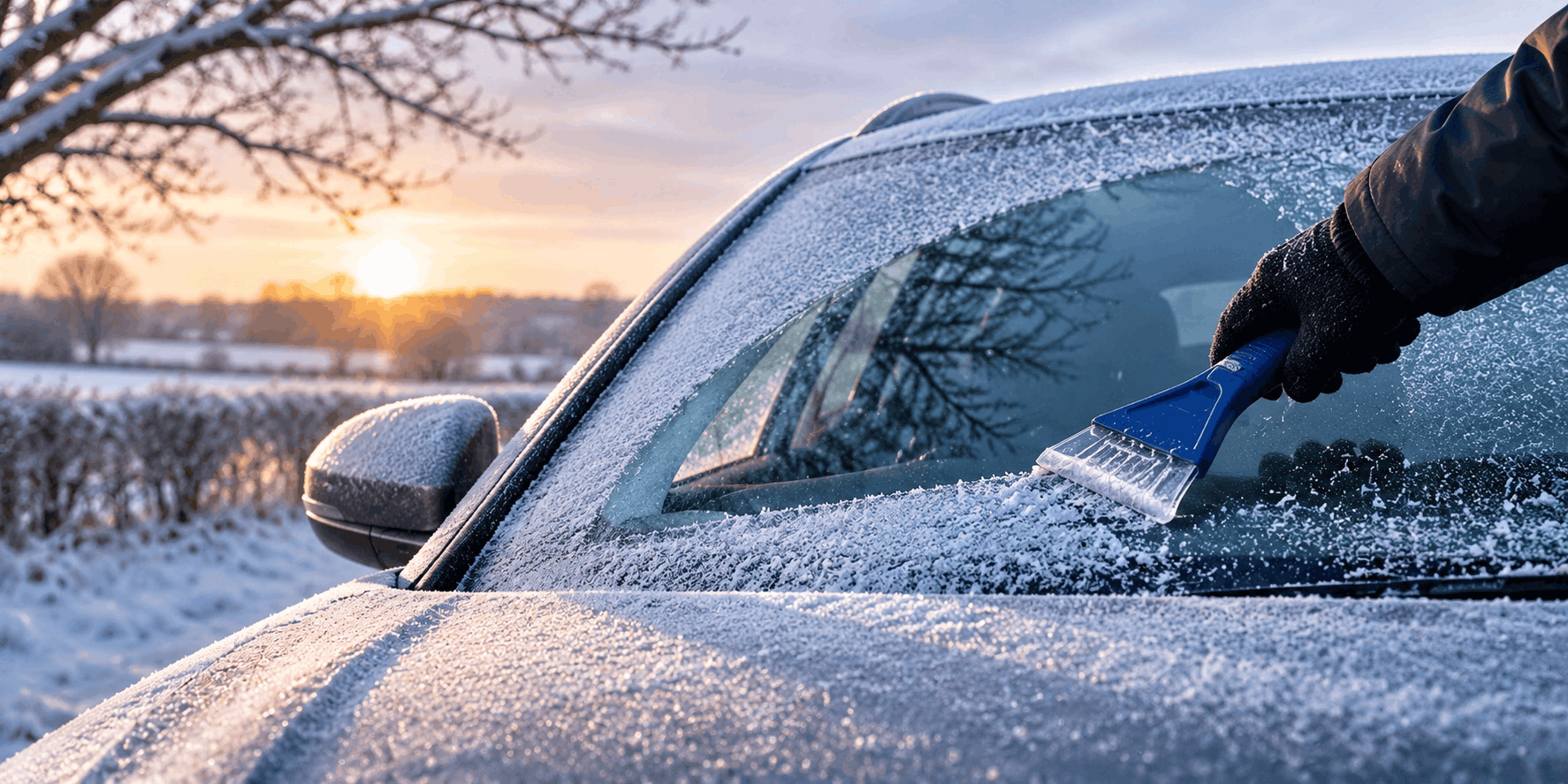
De-icer and ice scraper (kept somewhere you can reach without opening the boot).
Warm layers and gloves for every occupant; add a blanket for longer trips.
Sturdy footwear in case you need to walk carefully to a safer place.
Torch plus spare batteries, or a reliable rechargeable torch.
Charged power bank and a suitable in-car charging lead.
Water and ready-to-eat food that can tolerate being stored in a cold car.
First-aid kit and any essential personal medication.
High-visibility vest stored within the cabin so you can put it on before exiting.
Small shovel if you are travelling where snow is plausible.
Two common mistakes are (1) putting everything in the boot under luggage, and (2) packing items without thinking through how you would use them at the roadside. Do a quick “where would my hands be” test: scraper and de-icer should be reachable before you open a frozen door fully; hi-vis should be reachable before you step out; torch should be reachable in darkness.
Clear the vehicle properly—every time
Driving with partially cleared glass is a winter trap: you may feel you can “just about see”, but you will miss hazards at junctions, on roundabouts and when changing lanes.
Before moving off, be sure to clear:
All windows (not just a small section of the windscreen)
Mirrors
Lights and reflectors
Number plates
Roof snow (so it does not slide onto your windscreen or into another driver’s path when you brake)
Then set your demist/defrost so the glass stays clear as the cabin warms and moisture builds. Give yourself enough time to do this calmly; rushing at the driveway stage tends to produce risky decisions once you are on the road.
Driving in snow and ice: adjust your technique, not your confidence
Winter driving is about smoothness and anticipation. Even if your vehicle has ABS, traction control and stability systems, physics still applies. The goal is to avoid sudden changes that overwhelm the limited grip available.
Core winter driving tips
Slow earlier, not harder. Begin reducing speed sooner and brake progressively while travelling.
Increase following distance substantially. On icy or snowy roads, stopping distances can increase dramatically; you need time to react and room to slow without panic.
Be gentle with controls. Smooth steering, light acceleration and gradual braking reduce the chance of a skid.
Look further ahead. Scan for brake lights, changing road texture, shaded patches, and areas that stay colder (bridges, dips, tree-lined lanes).
Approach hills with a plan. Leave space so you do not have to stop mid-slope, and avoid following so closely that you lose momentum and control.
Cornering and junctions
Many winter incidents happen at low speed near junctions: drivers arrive too quickly for the available grip and then try to “fix it” with heavier braking or steering. Instead:
Reduce speed earlier than usual on the approach.
Complete most of your braking before you turn the wheel.
Steer smoothly through the corner and accelerate gently only once the car is settled.
What about ABS, traction control and stability systems?
These systems can help you retain control, but they do not create grip where none exists. You can still slide if you enter a bend too fast or follow too closely. Drive as if you do not have these aids; treat them as a backup, not a plan.
Bad visibility: rain, spray, fog and darkness
In much of the UK, winter trouble is more often water than snow. Heavy rain, standing water and motorway spray can reduce visibility to a fraction of normal. Adapt by slowing down, increasing distance, and using lights appropriately. Keep your windscreen and lights clean on longer trips; a quick stop to wipe grime can make a disproportionate difference.
If fog is present, use fog lights correctly and switch them off when visibility improves. In darkness and glare (especially with wet roads), avoid “outrunning” what your headlights allow you to see and react to.
If you get stuck or break down
What to do depends on where you are. The priorities are: protect yourself from traffic danger, communicate, and stay warm without creating new risks.
On motorways and high-speed roads
If you can, leave the motorway at the next exit or reach a service area. If you are forced to stop, follow official guidance for your location (for example, England’s smart motorway instructions where applicable). Use hazard lights, keep your seat belt on, and call for help. Do not attempt repairs next to live lanes, and do not place a warning triangle on a motorway carriageway.
For further information, refer to The Highway Code – Breakdowns and Incidents (Rules 275–279) and National Highways' motorway safety guidance
On local roads in wintry conditions
If you are stuck in snow away from immediate traffic danger, it is often safer to stay with the vehicle while you arrange help, rather than setting off on foot without a clear, safe plan. Use your warm layers and blankets. Keep your phone charged. If you run the engine for heat, do so cautiously and ensure the exhaust area is not blocked by snow, as exhaust blockage can create a serious carbon monoxide risk.
Make winter preparation a habit (not a one-off project)
Good winter road safety is repeatable. Pick a routine you can sustain:
Weekly: tyre pressures, screenwash level, lights check.
Monthly: tyre condition and tread review, wiper blade performance, top up emergency supplies.
Before longer trips: weather/road checks, kit check, charging/fuel buffer, and realistic timing.
Most importantly, permit yourself to change the plan when the conditions change. A winter journey is successful when everyone arrives safely—even if that means arriving later, taking a different route, or not travelling at all.
Looking for a vehicle that's ready for winter?
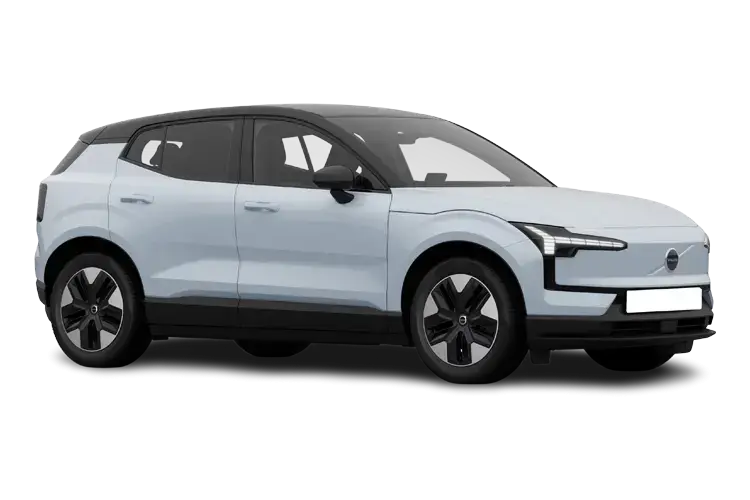
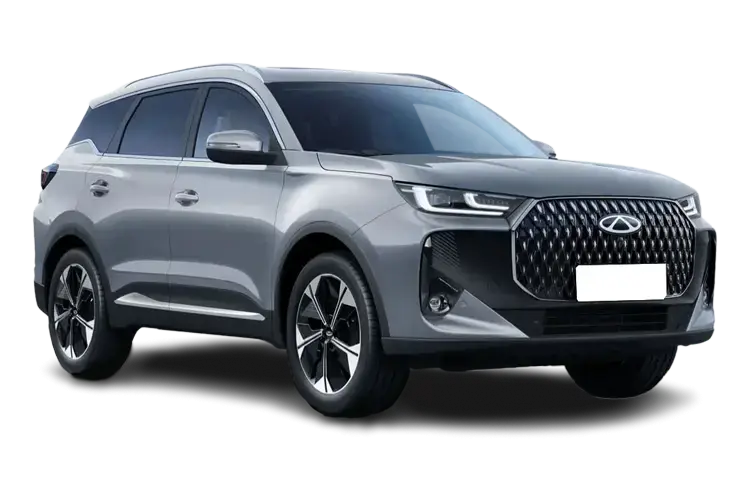
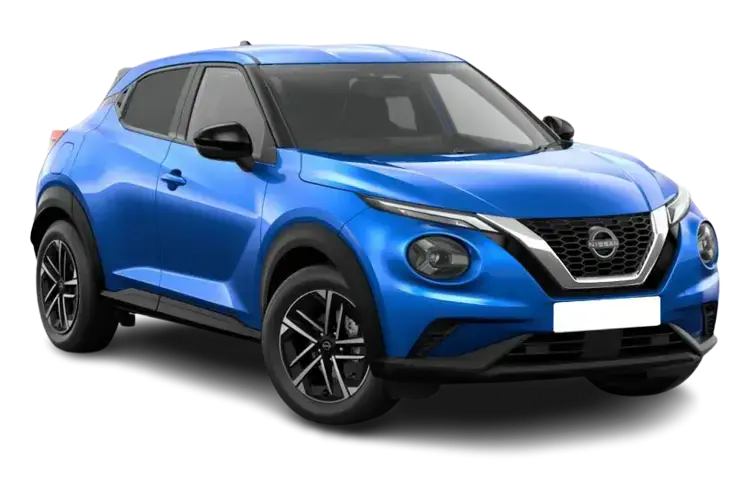
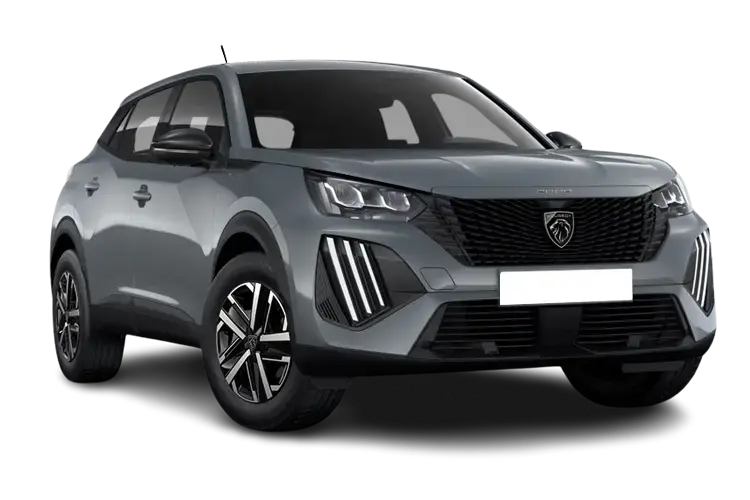
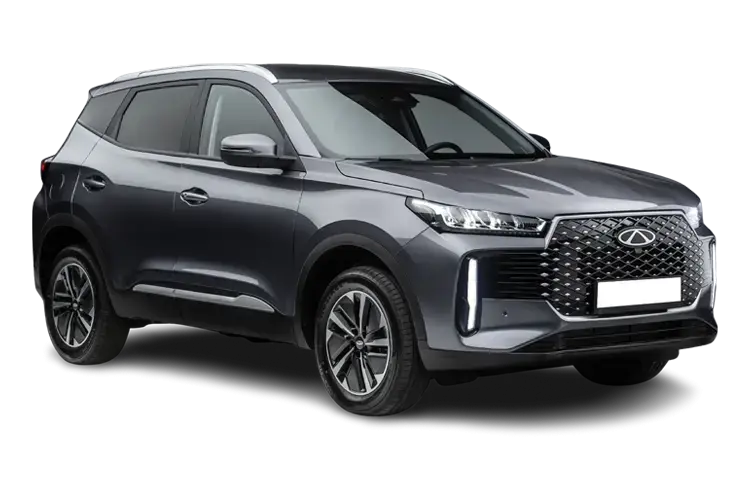
From all-wheel-drive SUVs to vehicles equipped with heated seats, heated windscreens and advanced driver assistance technology, there are plenty of options to consider when choosing your next lease vehicle.
Take a look at some of our latest vehicle leasing offers below:


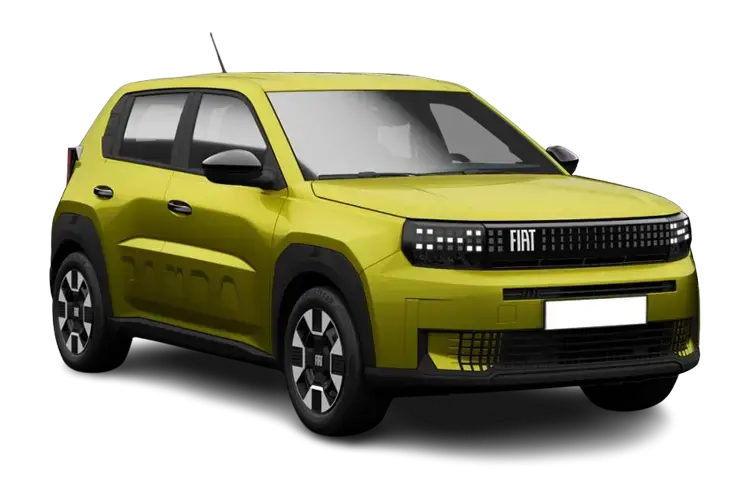
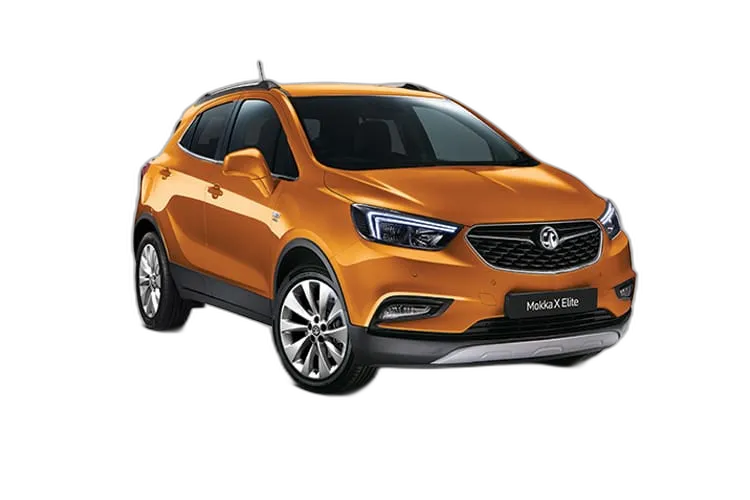
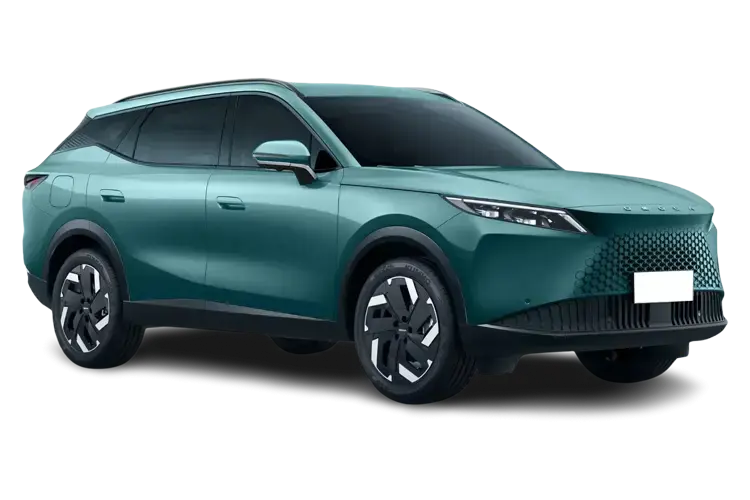
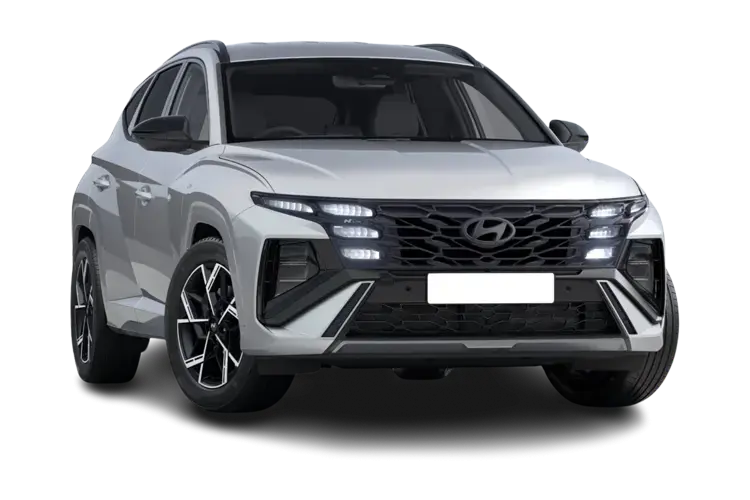
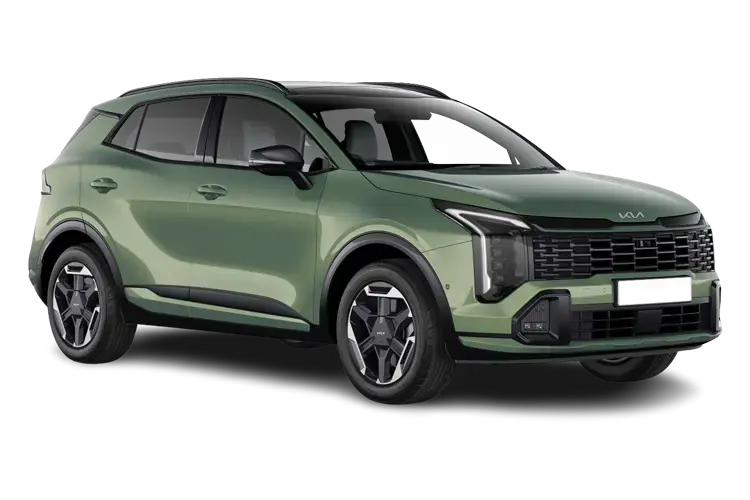
*Vehicle specifications and features vary depending on the model, trim level and optional extras. Please check the individual vehicle specification before enquiring.
Latest Posts
Preparing for Winter Roads
Winter travel in the UK is...
EX30 Review: Range, Interior and Everyday Practicality
Considering a Volvo EX30? The EX30...
Partner or Boxer: Which Peugeot Van Is Right for You?
Choosing between the Peugeot Partner and...
Can You Lease a Used Car in the UK?
When you're looking for your next...
Everything You Need to Know About the Nissan Juke Tekna+
If you're searching for a compact...