


























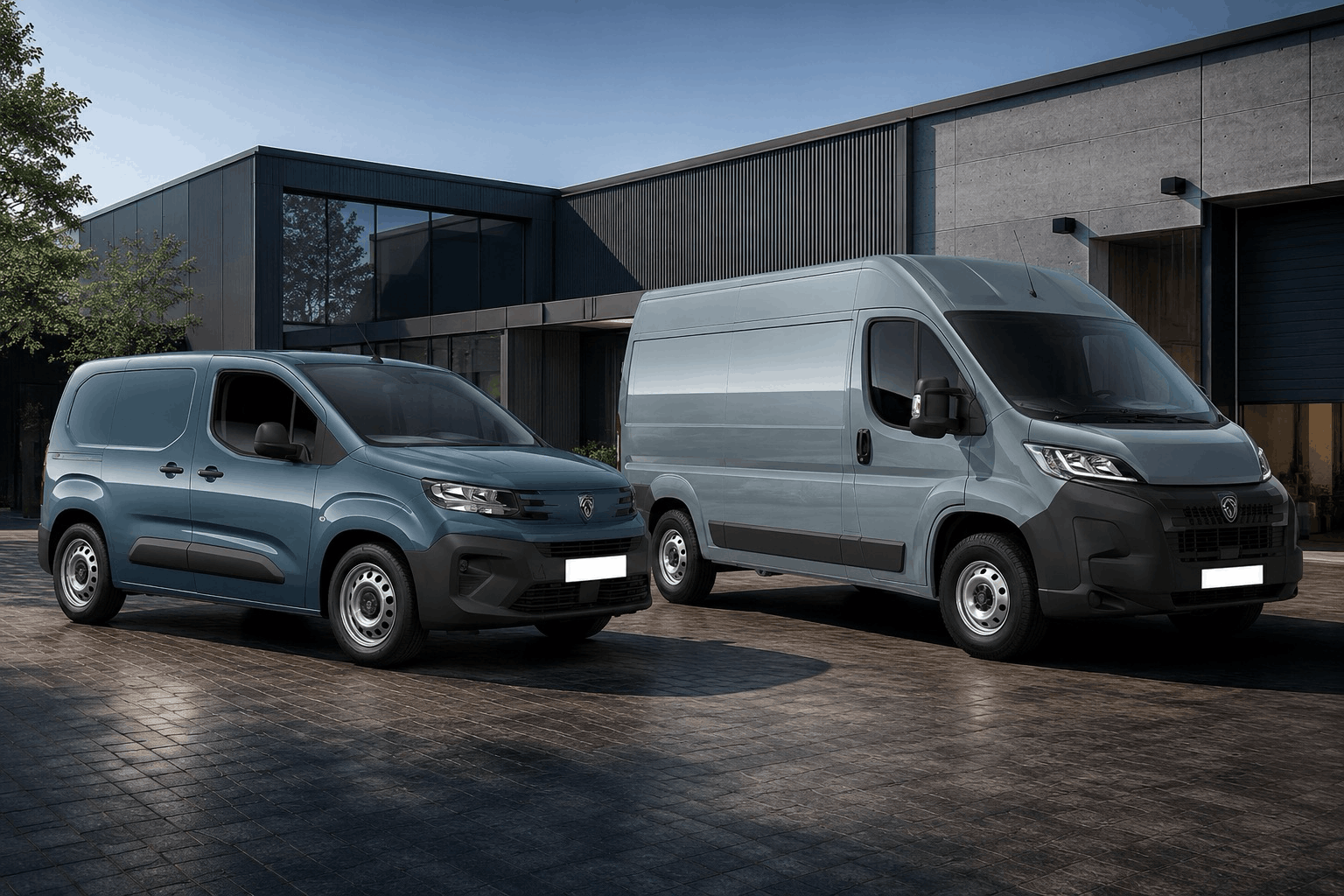
Partner or Boxer: Which Peugeot Van Is Right for You?

Posted by Sophie on 10/08/26
Choosing between the Peugeot Partner and Boxer really comes down to what you need from your van. If something compact, practical and easy to drive suits your day-to-day work, the Partner could be a great fit. If you regularly need more room for larger loads, the Boxer offers that extra space and capability.
What Sets the Partner and Boxer Apart?
Compact and practical or bigger with plenty of room to work with? That's one of the main differences between the Peugeot Partner and Boxer, with each offering something different depending on what you need from your van.
The Peugeot Partner is built with everyday practicality in mind. Its compact size makes it well suited to busy streets, tighter spaces and jobs that involve plenty of stops throughout the day. It’s also a great option if you want a van that feels manageable and comfortable for everyday driving, without stepping up to the size of a larger commercial vehicle.
For those who need more space to work with, the Peugeot Boxer takes things up a level. Its larger load area gives you more room for bulky tools, longer materials and larger equipment, making it a practical choice when carrying capacity is a bigger priority. While it naturally has a larger footprint than the Partner, that extra size gives you the flexibility to take on jobs where a compact van might not offer quite enough room.
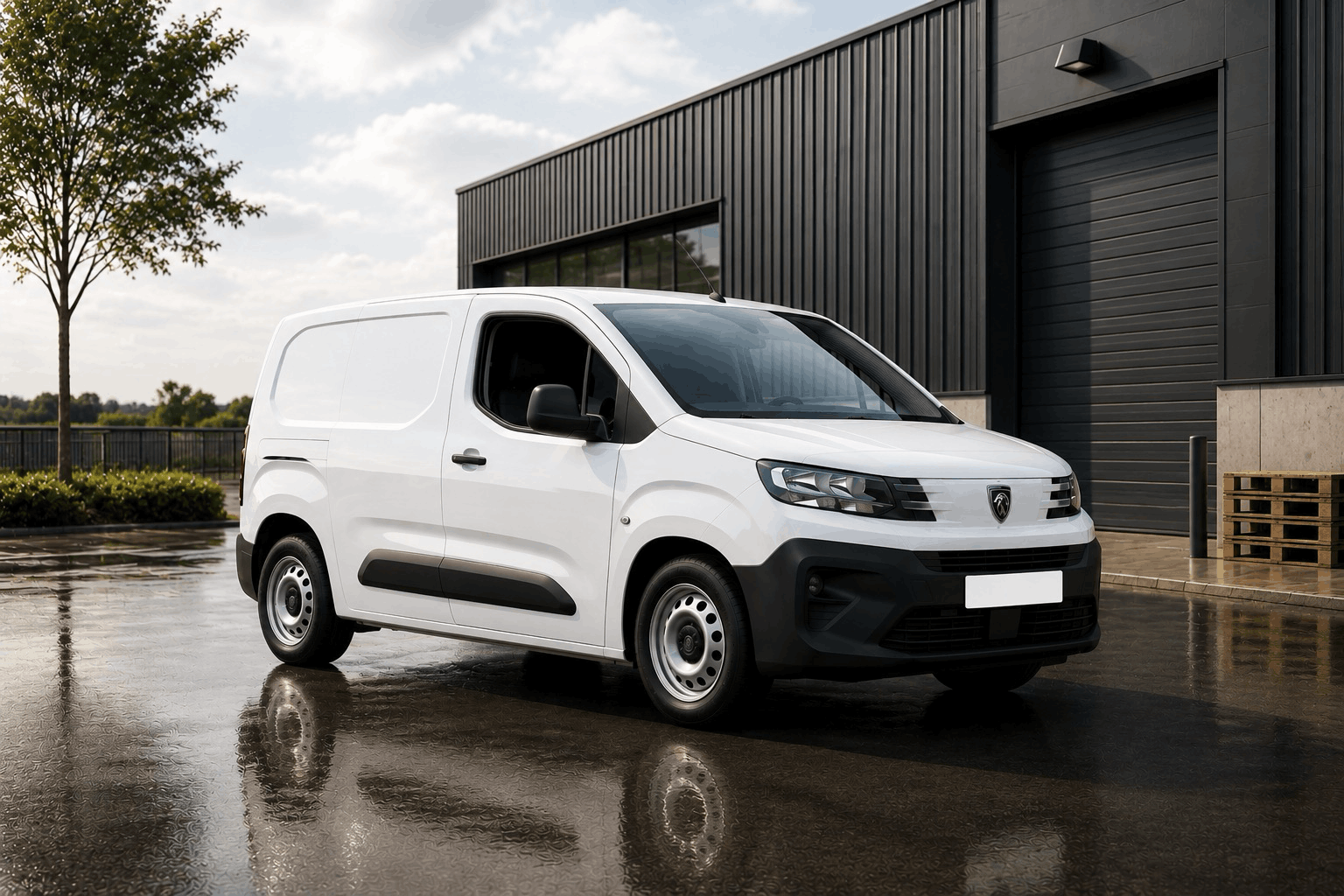
Peugeot Partner: Space, Features & Practicality
There’s more to the Peugeot Partner than its compact size. Step into the load area and you’ll find a practical space designed to make carrying tools, parcels and everyday equipment straightforward, with rear and side access making it easier to get to what you need throughout the day.
Inside the cab, things are kept comfortable and easy to use, with useful storage, connectivity and technology available depending on the specification. There’s also a good selection of safety and driver assistance features, helping with everything from parking and braking to staying safely positioned on the road.
Altogether, it’s a well-rounded setup that gives you the practical features you’d expect from a working van, without overcomplicating things.
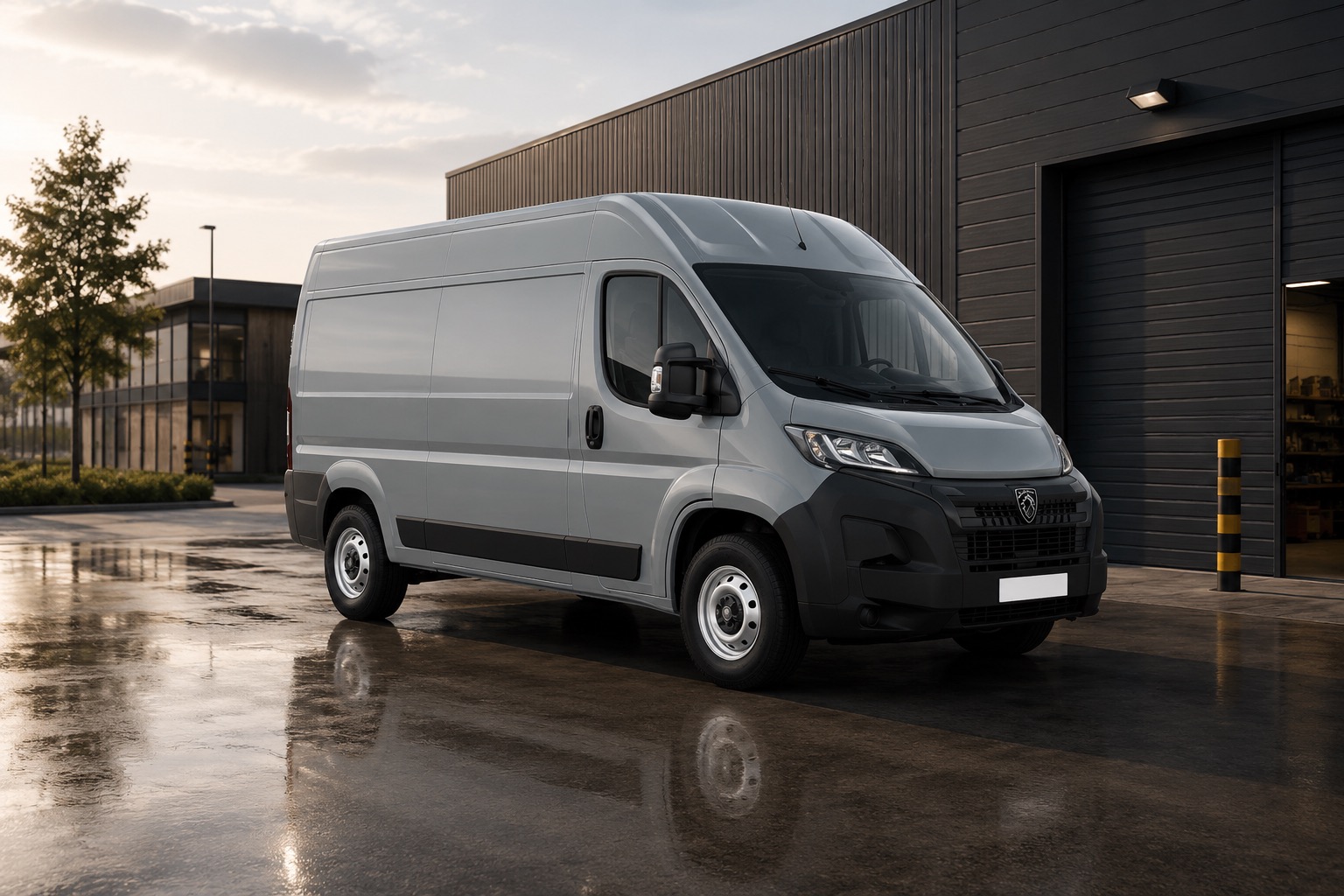
Peugeot Boxer: Space, Features & Practicality
While the Partner is designed to keep things compact and easy to manage, the Boxer gives you a different kind of working environment. Its larger dimensions are backed up by a higher carrying capacity, making it better suited to businesses that regularly need more from their van.
The differences continue when you look at the specification. Depending on the model, the Boxer offers features such as rear parking sensors, lane keeping assistance, traffic sign recognition and intelligent speed assistance, all of which can be particularly useful when you’re behind the wheel of a larger van. Inside, practical storage and useful technology help make longer working days that little bit more comfortable.
Ultimately, where the Partner focuses on compact convenience, the Boxer combines greater carrying capability with a specification designed to support bigger working demands.
Peugeot Partner vs Boxer: the specs that actually decide it
It’s tempting to get lost in brochure figures, but most buying decisions come down to a handful of “deal-breaker” areas. Here’s how they tend to play out between these two vans.
1) Size and manoeuvrability
If you’re regularly working in tight UK streets, multi-storey car parks, or busy loading bays, the Partner’s compact footprint is a genuine advantage. It generally feels more car-like, it’s easier to place, and it’s less stressful when you’re squeezing into awkward spots.
The Boxer can absolutely be driven in cities, but it demands more planning—especially when fully loaded or when you’re choosing longer and taller variants. The trade-off is simple: you accept a larger vehicle because you need what it can carry.
2) Payload and the “one trip vs two trips” problem
A Partner with a strong payload rating can cover a lot of small-business use cases, but the moment you routinely carry heavier loads, bulkier stock, or long materials, you may find yourself wishing for more capacity.
This is where the Boxer earns its keep. If it helps you consolidate loads, reduce journeys, or avoid hiring in larger vehicles, the extra size can pay for itself over time—even if the day-to-day fuel and tyre costs are higher.
3) Loading convenience
Loading convenience isn’t only about volume. The Partner’s lower load height and compact bay can be quicker to work with if you’re constantly in and out with parcels or tools. For stop-start work, that can be a real productivity gain.
The Boxer’s load bay is about maximum capability. It’s the better platform for tall items, bulky equipment, and larger racking systems, and it’s often the more logical choice if your van needs to function as a mobile workspace.
4) Engines, emissions, and where you operate
For many UK operators, the decision isn’t just diesel vs electric—it’s also about where the van spends its time. If your routes are largely urban and predictable, and you can charge overnight or at a depot, an electric Partner can make a lot of sense. If you’re covering longer distances with varied routes and you need maximum flexibility, diesel remains a common choice.
The Boxer follows the same logic, but with higher stakes: the bigger the vehicle and the heavier the work, the more important it is to match the powertrain to the role. Electric can be compelling for certain delivery operations, while diesel is often chosen for mixed routes and heavy payload use.
Comfort, Technology and Everyday Driving
Both the Partner and Boxer offer technology designed to make everyday driving that little bit easier, with features such as smartphone connectivity, hands-free calling and a range of driver assistance systems available depending on the specification. Where they differ is in how that comfort and technology fits into the working day.
In the Partner, the focus is on keeping things comfortable and straightforward whether you’re making shorter journeys or regularly getting in and out of the van. The Boxer, on the other hand, offers a more spacious driving environment that feels better suited to longer journeys and spending more time out on the road.
Which One Works for You?
Choosing between the Peugeot Partner and Boxer isn’t necessarily about which van is better, but which one makes more sense for the way you work. Think about what you’re carrying on a typical day, where you spend most of your time driving and how much space you realistically need.
It’s also worth thinking beyond your needs right now. If your workload is changing or your business is growing, having a little extra capacity could be useful. On the other hand, if you rarely need that additional room, a larger van may simply be more than you need.
Ultimately, the best choice is the one that fits naturally into your working day — without paying for or driving around with space you’re unlikely to use.
Conclusion: Partner vs Boxer
The Partner and Boxer aren’t competitors in the sense of “which is better?”—they’re built for different roles. The Partner is the compact, efficient van that thrives in tight spaces and stop-start work. The Boxer is the big, adaptable platform for heavy-duty hauling and specialist setups.
Choose the one that matches your day-to-day reality: if you need access and agility, the Partner will feel like the right tool. If you need capacity and flexibility, the Boxer is the van that keeps your business moving without compromise.
Latest Posts
EX30 Review: Range, Interior and Everyday Practicality
Considering a Volvo EX30? The EX30...
Partner or Boxer: Which Peugeot Van Is Right for You?
Choosing between the Peugeot Partner and...
Can You Lease a Used Car in the UK?
When you're looking for your next...
Everything You Need to Know About the Nissan Juke Tekna+
If you're searching for a compact...
Car Ownership in 2026: Is Owning a Car Still Worth It?
With the cost of living still...