


























Car Ownership in 2026: Is Owning a Car Still Worth It?

Posted by Sophie on 01/06/26
With the cost of living still rising across the UK, it's no surprise that more people are starting to question whether owning a car is still worth it in 2026.
Fuel prices, insurance, servicing, maintenance and monthly payments can all quickly add up, making the overall cost of car ownership feel higher than ever for many drivers.
That said, having access to a vehicle is still a huge part of everyday life for millions of people. Whether it's commuting to work, doing the school run, travelling for work or simply having the freedom to get around when needed, cars remain an essential part of modern life.
Because of this, many drivers are starting to rethink both the type of vehicle they choose and how they get behind the wheel, with leasing, hybrid vehicles and electric cars all becoming increasingly popular alternatives to traditional car ownership in 2026.
The Reality of Driving in Modern Life
The reality is that, despite rising costs, many people across the UK still rely heavily on their cars in everyday life. While public transport works well for some, having access to a vehicle remains essential for many commuters, families and those who travel regularly for work, particularly in areas with limited transport links.
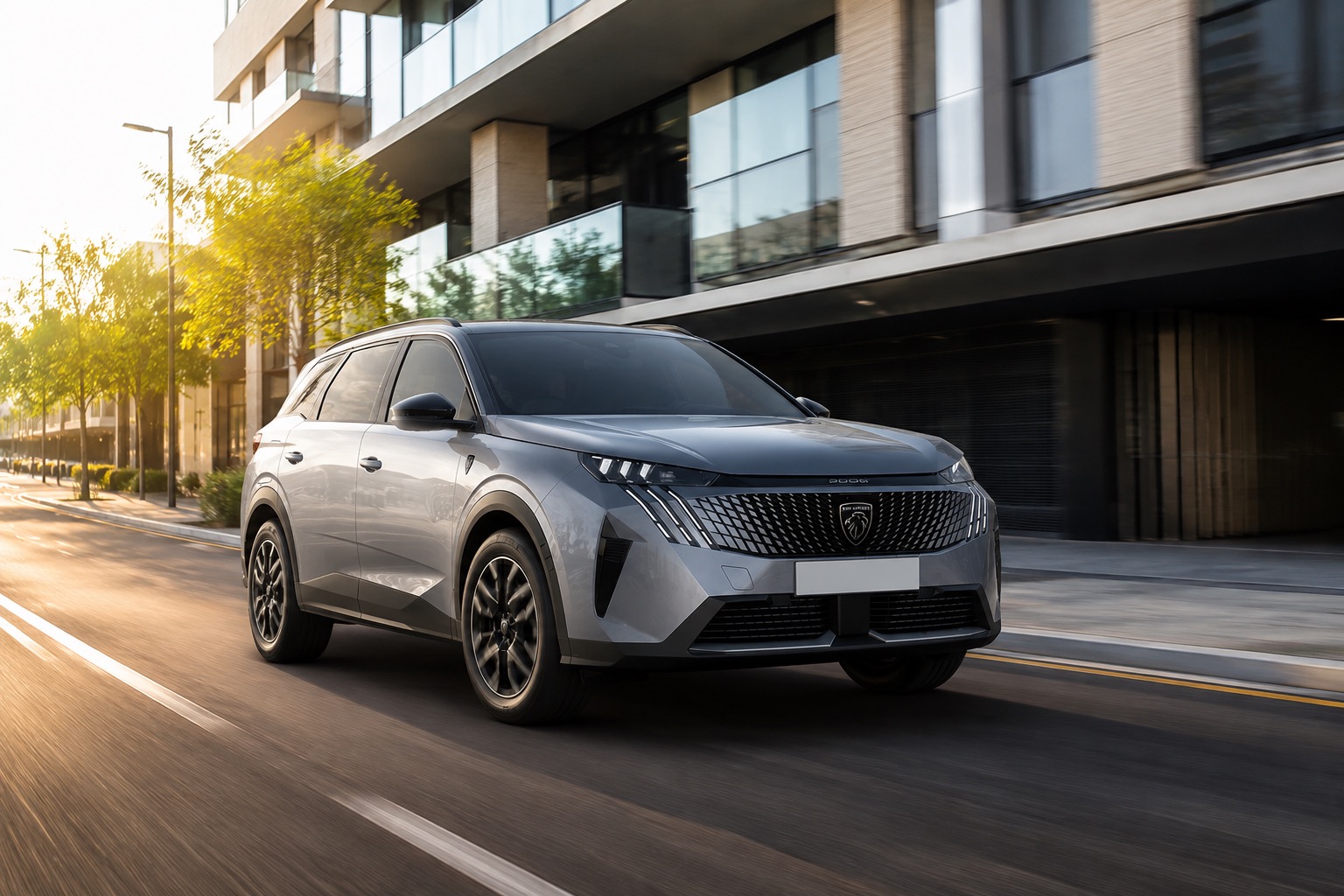
For families, having a reliable vehicle can make everyday life much easier, whether it's the school run, shopping trips or simply keeping up with a busy schedule. That's why spacious family vehicles and SUVs such as Nissan Qashqai and Peugeot 5008 are a go-to option for many drivers who need that extra practicality and flexibility day to day.
As a result, while the cost of car ownership continues to rise, many motorists are rethinking how they access a vehicle rather than whether they need one at all. Leasing, hybrid vehicles and electric cars are becoming increasingly attractive alternatives for drivers looking to reduce costs without compromising on convenience.
How Attitudes Towards Car Ownership Are Changing
For many drivers, owning a car was once seen as the traditional and long-term way of getting on the road. However, as the cost of motoring continues to rise and household budgets come under increasing pressure, more people are beginning to rethink whether traditional car ownership is still the right option for them.
Instead of focusing purely on owning a car outright, many drivers are now placing more importance on flexibility, affordability and keeping monthly costs more manageable. With everyday expenses continuing to increase, drivers are becoming far more conscious about how much they spend on fuel, maintenance, insurance and general running costs.
At the same time, modern drivers are also expecting more from their vehicles. Advanced technology, better fuel efficiency, hybrid and electric options, and enhanced safety features are all influencing the way people approach driving in 2026.
Because of this shift, more drivers are beginning to explore different ways of getting behind the wheel that better suit their lifestyle, budget and needs, rather than relying entirely on traditional long-term ownership.
Buying vs Leasing: What’s Changed in 2026?
As more people begin to rethink traditional car ownership, the conversation around buying versus leasing has become far more common in recent years. Instead of focusing purely on owning a car outright, many motorists are now paying closer attention to flexibility, affordability and finding an option that better suits their lifestyle and budget.
For some drivers, owning a vehicle still offers long-term value and the freedom to keep it for as long as they choose. However, with the rising vehicle prices, ongoing maintenance costs and depreciation to consider, traditional ownership can come with added financial pressure.
Vehicle Leasing has become an increasingly popular option for motorists looking for more flexibility and predictable monthly costs. Like the idea of upgrading your car every few years? Instead of committing to long-term ownership, leasing allows you to enjoy newer models packed with the latest technology, improved efficiency and modern features, with the added benefit of predictable monthly costs and greater flexibility. Many drivers also appreciate the fact that they do not have to worry about the vehicle’s depreciation or the hassle of selling it on at the end of the agreement, as the car is simply returned.
Of course, the right option will always depend on the individual driver, their budget, preferences and how they intend to use their vehicle day-to-day. However, as driving habits and financial priorities continue to evolve, more motorists are beginning to place greater value on flexibility, convenience and affordability when deciding how to get behind the wheel.
The Growing Shift Towards Hybrid and Electric Vehicles
As fuel prices and running costs continue to rise, it’s no surprise that more drivers across the UK are beginning to consider hybrid and electric vehicles as a more cost-effective alternative to traditional petrol or diesel cars. In recent years, hybrid and electric vehicles have come a long way, offering improved driving ranges, greater efficiency and lower running costs than ever before. Today, hybrid and electric vehicles are no longer viewed as niche or unfamiliar options, but realistic and practical choices for everyday driving.
Hybrid vehicles have become increasingly popular among drivers looking to improve fuel efficiency without making the full switch to an electric car, while fully electric vehicles continue to attract attention thanks to their lower running costs and reduced emissions.
There’s also a growing awareness around sustainability and the future of driving, with more people now looking for vehicles that not only suit their lifestyle and budget but also feel more future-focused.
What Drivers Really Want from a Car Today
Modern drivers are no longer just looking for a way to get from A to B. Features such as larger boot space, touchscreen infotainment systems, reversing cameras and driver assistance technology are becoming increasingly important when choosing a vehicle.
Comfort and practicality remain just as important, especially for families, commuters and business users. Whether it's extra interior space, improved fuel efficiency, lower running costs or the convenience of home charging, many motorists are choosing vehicles that better suit their everyday lifestyle rather than simply focusing on the purchase price.
Because of this, the conversation around car ownership in 2026 is becoming less about whether you need a car, and more about choosing the right vehicle and the most suitable way to drive. For many drivers, leasing, hybrid vehicles and electric cars are offering greater flexibility while helping to meet the demands of modern life.
So, Is Car Ownership Still Worth It In 2026?
Having access to a car is still important for millions of people across the UK. Whether it's commuting to work, managing family life, travelling regularly or simply enjoying the freedom and independence to get around, cars continue to play a major role in everyday life.
What has changed in 2026 is the way people think about driving. As lifestyles evolve and motorists become more conscious of running costs, many are placing greater importance on convenience, practicality and choosing a vehicle that better suits their everyday needs.
Ultimately, the question is no longer just whether car ownership is still worth it, but which type of vehicle and driving solution best fits your lifestyle. For many drivers, leasing, hybrid vehicles and electric cars are proving that there are now more flexible ways to get behind the wheel.
Special Offer
In Stock
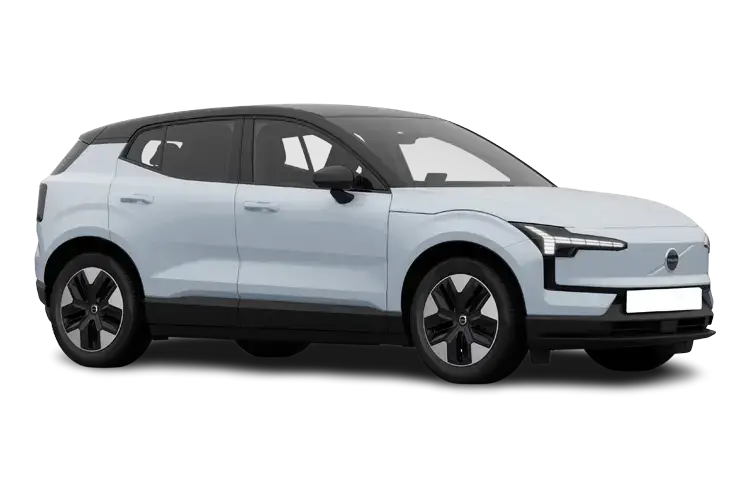
Volvo EX30 SUV
315kW Twin Motor Performance Plus 69kWh 5dr Auto
Fuel Type
Electric
Transmission
Automatic
View This Deal
Special Offer
In Stock
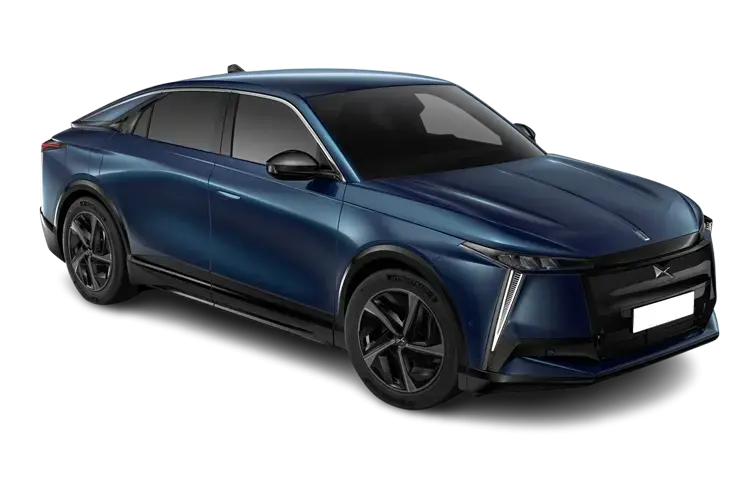
DS No8 SUV
191kW Etoile 74kWh 5dr Auto
Fuel Type
Electric
Transmission
Automatic
View This Deal
Special Offer
In Stock
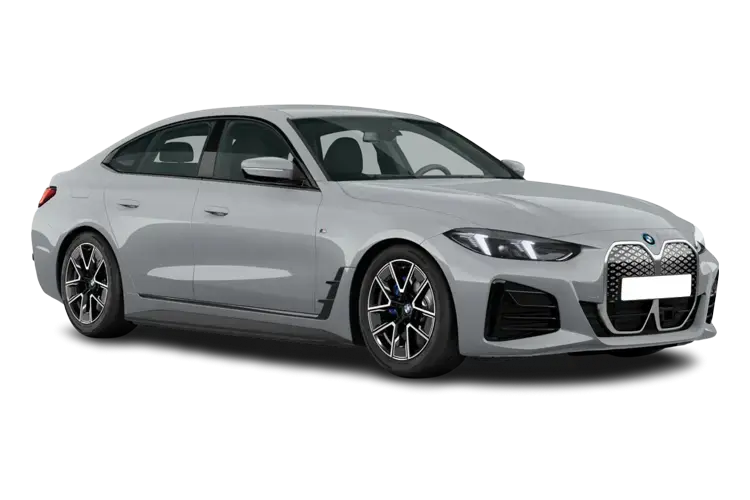
BMW i4 Gran Coupe
250kW eDrive40 M Sport 83.9kWh 5dr Auto
Fuel Type
Electric
Transmission
Automatic
View This Deal
Special Offer
In Stock
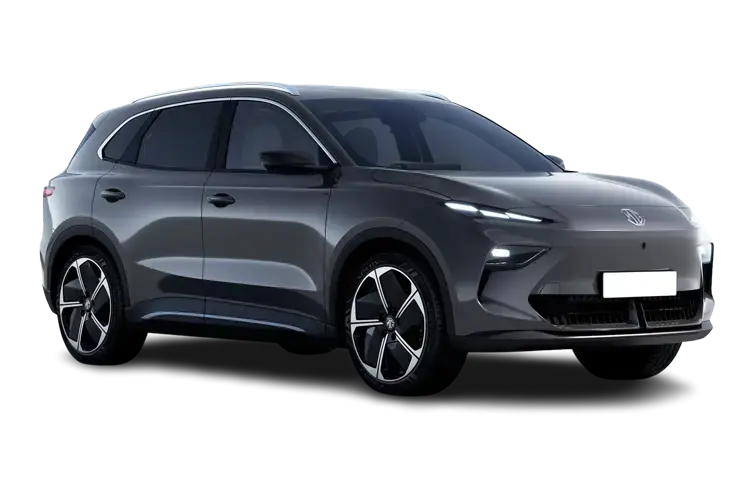
MG Motor UK MGS5 SUV
170kW Trophy EV Long Range 64kWh 5dr Auto
Fuel Type
Electric
Transmission
Automatic
View This Deal
Latest Posts
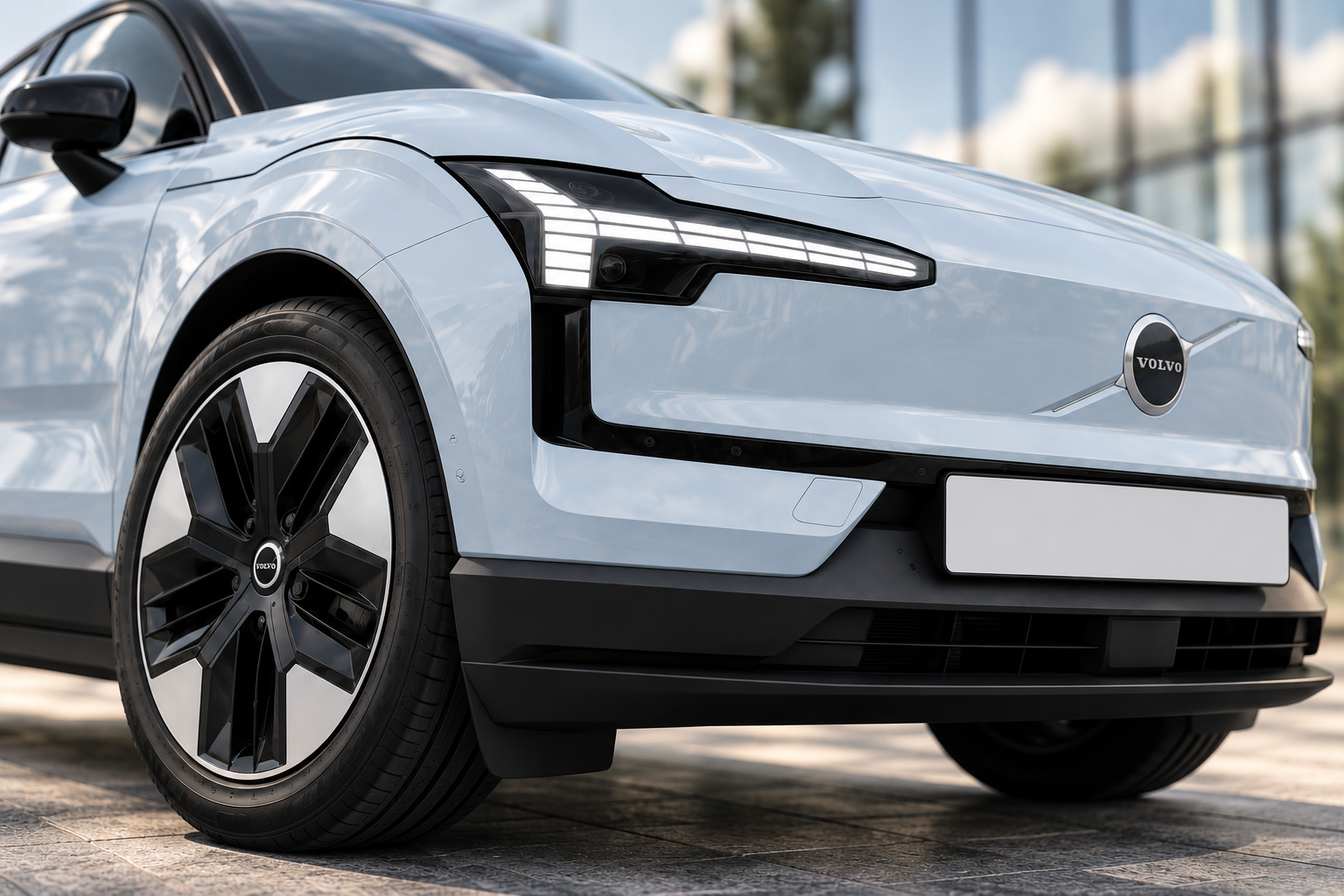
EX30 Review: Range, Interior and Everyday Practicality
Considering a Volvo EX30? The EX30...
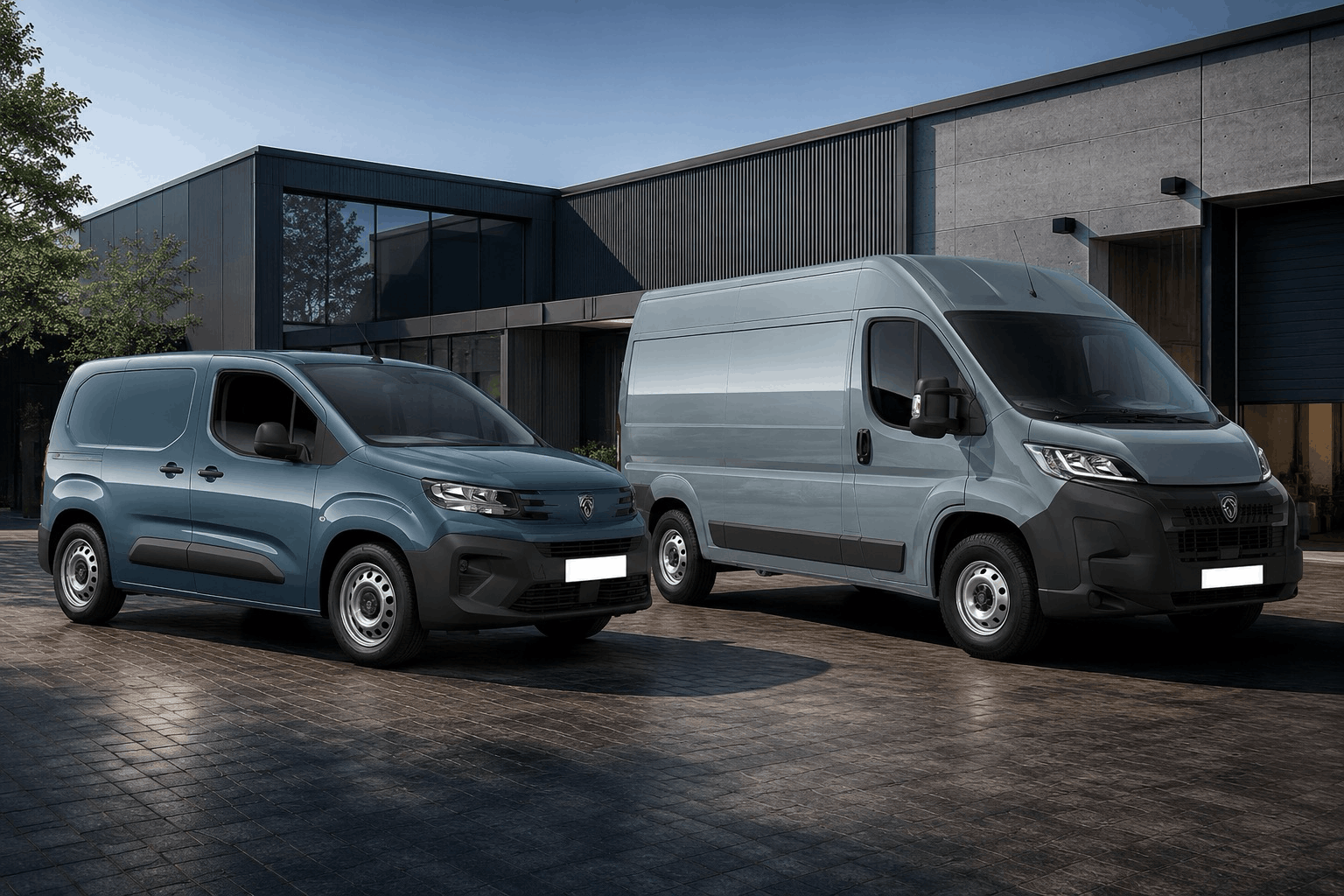
Partner or Boxer: Which Peugeot Van Is Right for You?
Choosing between the Peugeot Partner and...
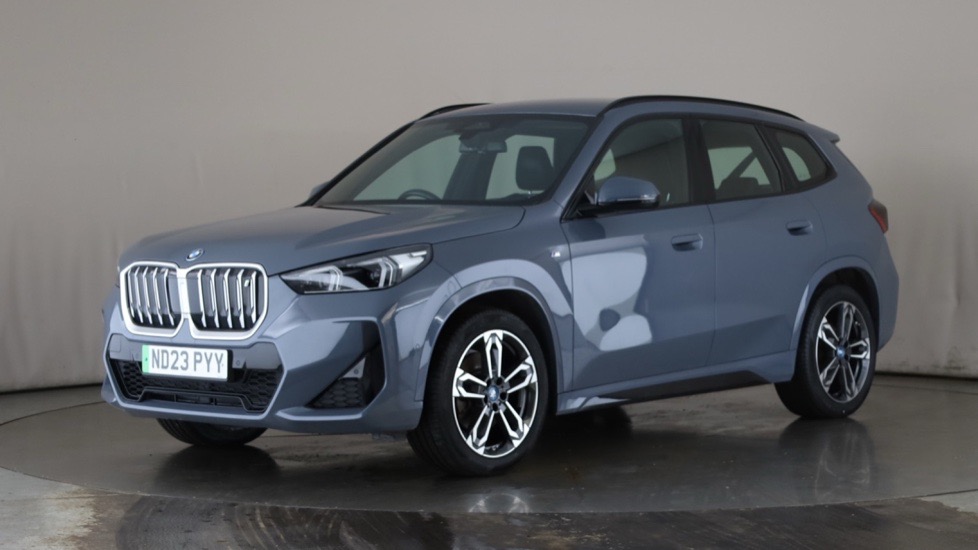
Can You Lease a Used Car in the UK?
When you're looking for your next...
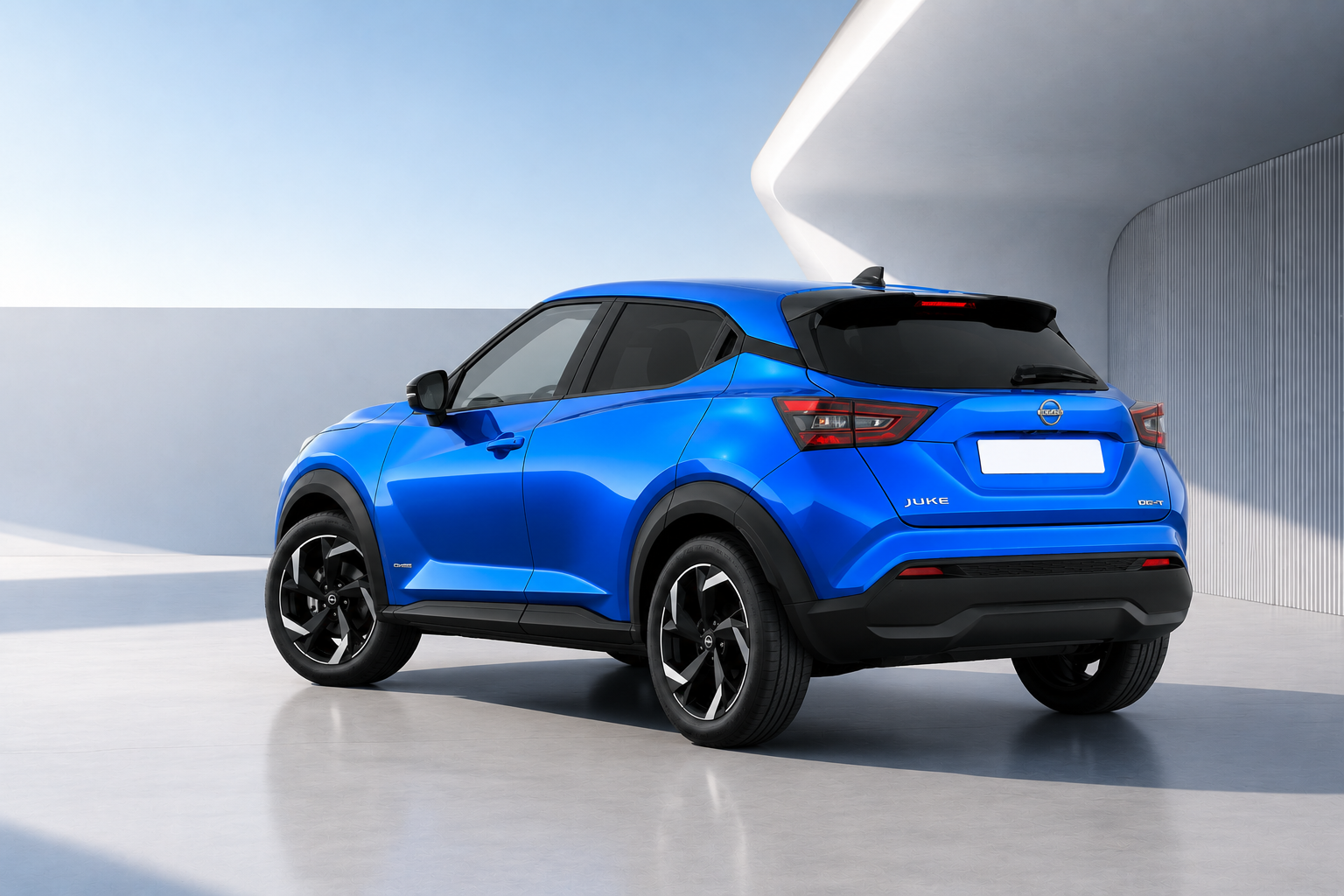
Everything You Need to Know About the Nissan Juke Tekna+
If you're searching for a compact...
Car Ownership in 2026: Is Owning a Car Still Worth It?
With the cost of living still...