


























Are Electric Cars Worth It? Questions UK Drivers Always Ask

Posted by Sophie on 21/05/26
Electric vehicles (EVs) are everywhere right now, but are they really worth it? If you’re considering making the switch, you probably have questions around charging, practicality, day-to-day driving and costs.
Here are some of the most common questions UK drivers ask about electric cars.
What are the benefits of driving an electric car?
If you're wondering whether electric cars are worth it, one of the biggest reasons more drivers are making the switch is because EVs can make everyday driving feel easier and smoother. Compared to petrol or diesel cars, electric vehicles are typically quieter, more responsive and can offer lower day-to-day running costs.
Alongside lower running costs and a smoother driving experience, many drivers also value the convenience of charging at home instead of stopping at petrol stations. Electric cars also produce zero tailpipe emissions while driving, making them a more environmentally friendly option.
As charging infrastructure across the UK continues to grow and EV technology keeps improving, electric cars are becoming a far more practical choice for everyday driving, commuting, and longer journeys.
Key benefits of electric cars:
Lower running costs thanks to cheaper charging, reduced maintenance, and potential EV tax benefits.
Better for the environment with zero tailpipe emissions while driving.
Smooth and quiet performance with instant electric acceleration.
Convenient ownership with optional home charging and smart technology features.
Access to a growing UK charging network, helping make everyday driving and longer journeys easier.
For many drivers, the combination of lower running costs, improved comfort, and growing convenience is making electric cars an increasingly attractive alternative to petrol or diesel vehicles.
Are electric cars cheaper to run?
In many cases, yes — electric cars can be cheaper to run than petrol or diesel vehicles, particularly for drivers who regularly charge at home, where electricity is often more affordable than fuel.
Another factor that helps reduce running costs is that electric vehicles have fewer moving parts than traditional petrol or diesel cars. With fewer components to maintain or replace over time, servicing requirements are often lower, which can help reduce maintenance costs and general wear and tear.
Of course, running costs still depend on factors such as annual mileage, electricity tariffs and charging habits. However, for many drivers, electric cars offer a more affordable, lower-maintenance ownership experience.
Can you charge an electric car at home?
Home charging is one of the key reasons many drivers feel electric cars are worth it. Simply plugging in overnight and waking up to a fully charged vehicle the next morning makes everyday ownership easier and removes the need for regular trips to the petrol station.
Charging at home can also help reduce day-to-day running costs compared with regularly filling up at petrol stations. Many home charging systems allow drivers to schedule charging overnight, helping them make the most of cheaper off-peak electricity prices.
For drivers looking to get the most out of home charging, many choose to install a dedicated home charging point. Through our partnership with POD charging solutions, customers can enjoy £50 off a Pod Point home EV charger.
Get your exclusive £50 off a Pod Point home EV charger now.
Main benefits of owning an EV home charger:
Conveniently charge your vehicle overnight at home.
Reduce reliance on public charging stations.
Optimise charging with smart scheduling and app connectivity
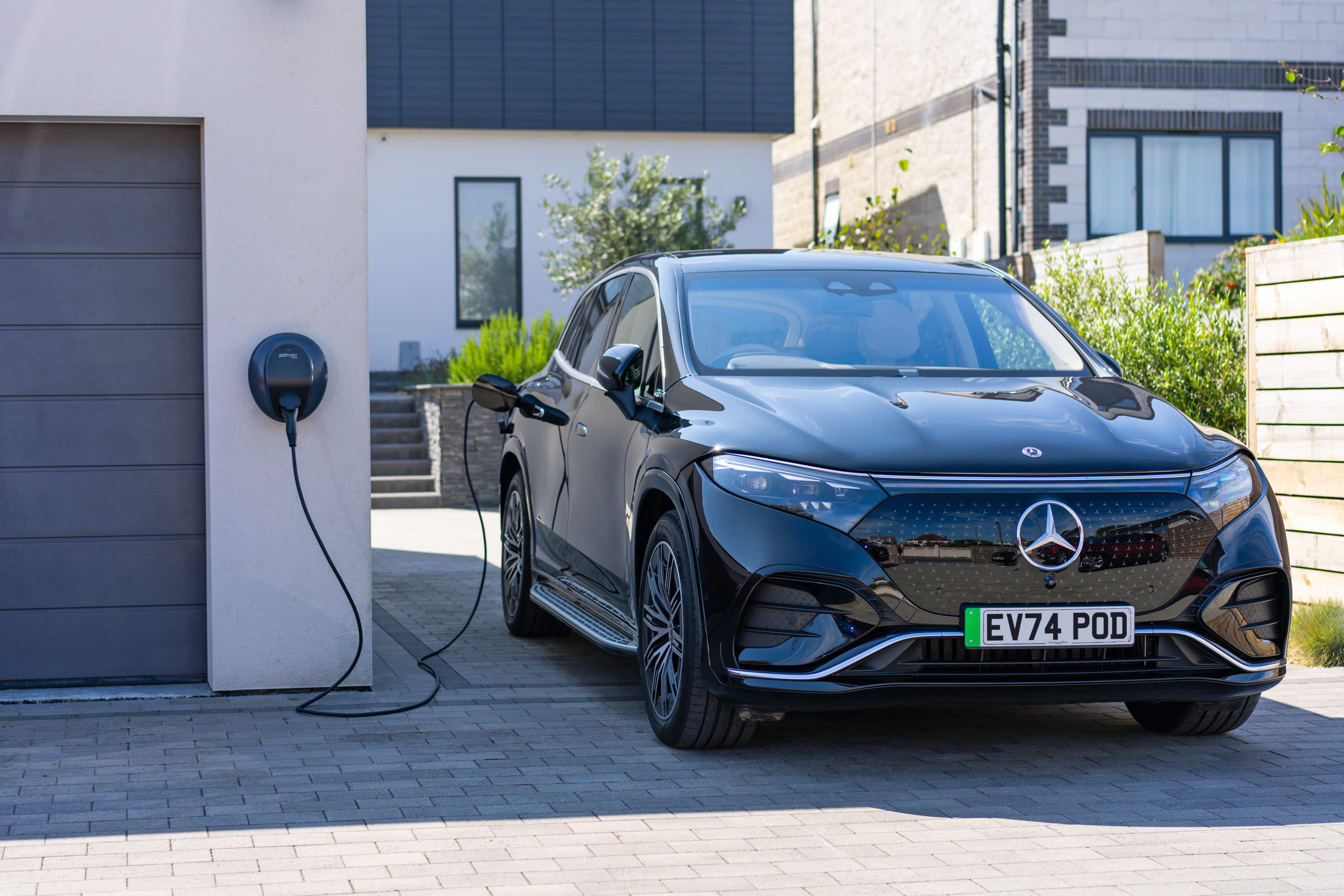
How long does it take to charge an electric car?
Understanding charging times is one of the biggest factors when deciding whether electric cars are worth it. Depending on the battery size and charger being used, charging can take anywhere from around 30 minutes to over 13 hours.
For many EV owners, charging quickly becomes part of their everyday routine. Rather than stopping at a petrol station, drivers can simply leave their car charging overnight at home and wake up to a fully charged battery the next day.
When using a public rapid charger, charging times can be much shorter. Many modern electric cars can gain a useful amount of range in less than an hour, helping make longer journeys and motorway travel far more convenient.
Typical EV charging times:
Slow charger (3.7kW): Around 13 hours
Fast charger (7kW): Around 3–6 hours
Rapid/high-power charger (50kW+): Up to 80% charge in under 60 minutes
It’s also important to remember that most drivers do not need to fully charge their vehicle every day. For regular commuting and everyday journeys, overnight home charging is often enough to comfortably cover daily mileage.
How much does it cost to charge an electric car?
Wondering how much it costs to charge an electric car? The answer depends on your battery size, electricity prices and where you choose to charge your vehicle. However, many EV drivers find charging to be significantly cheaper than filling up with petrol or diesel.
Charging at home is usually the cheapest and most convenient option for many EV drivers, especially for those using EV-friendly energy tariffs or charging during off-peak hours when electricity prices may be lower.For many owners, plugging in overnight soon becomes part of their everyday routine.
Public charging stations are often more expensive than charging at home, particularly when using rapid or high-power chargers. However, they provide much faster charging, making longer journeys and motorway travel far more practical.
For many drivers, the combination of lower charging costs and reduced maintenance makes electric vehicles cheaper to run day to day than comparable petrol or diesel cars.
Do electric cars come with charging cables?
Yes, you'll be pleased to know that electric cars do come with charging cables, although what's included can vary depending on the make and model.
Most EVs are supplied with the charging essentials needed for everyday use, whether that's charging at home or using public charging stations. Some manufacturers include additional cables as standard, while others offer them as optional extras.
If you're new to electric vehicles, charging cables can seem a little confusing at first. Fortunately, most drivers quickly become familiar with the different cable types and charging options available.
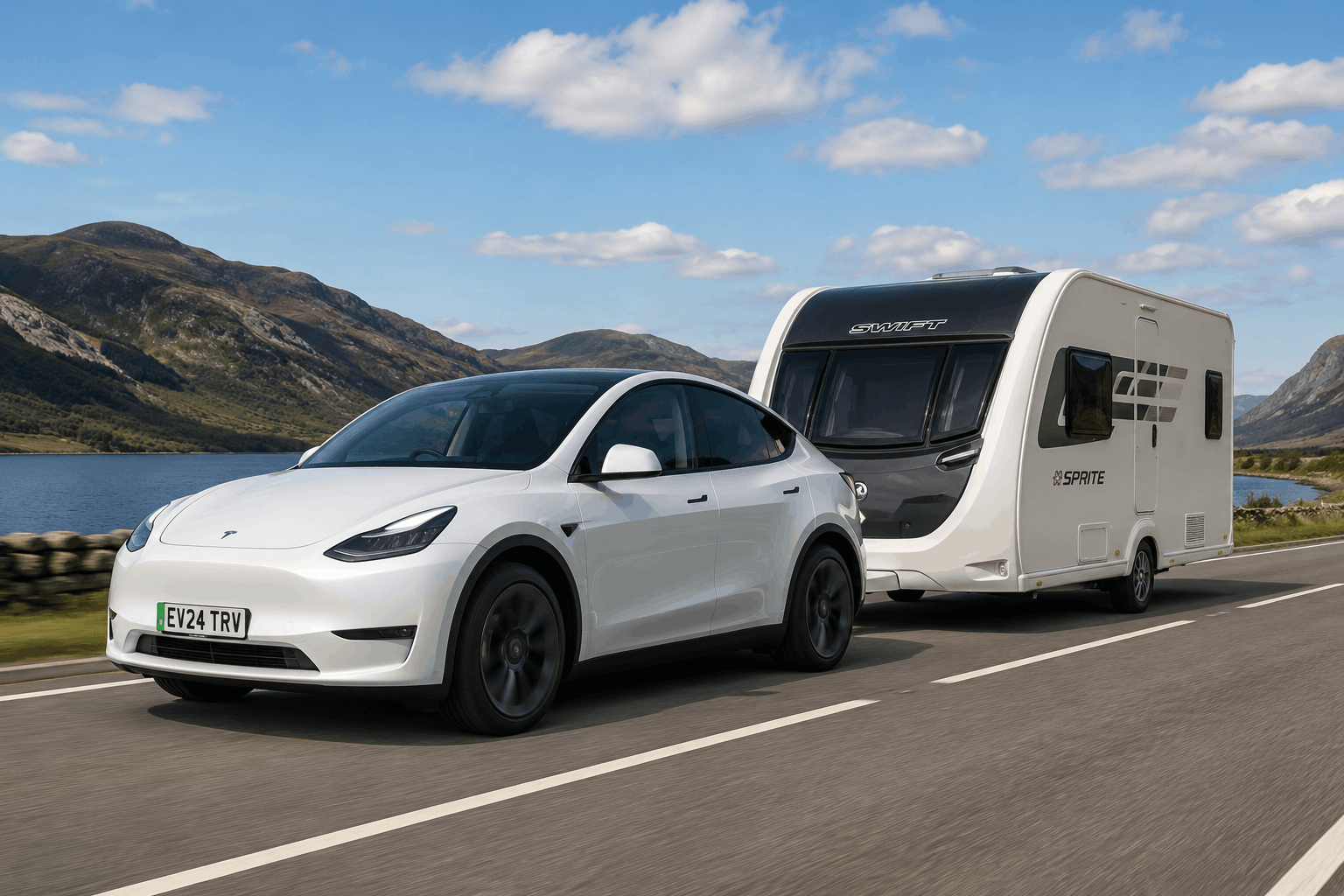
Can electric cars tow a caravan?
If you regularly tow a caravan or trailer, you might assume an electric car wouldn't be suitable. However, many modern EVs now offer impressive towing capabilities, making them a practical option for drivers who need extra capability.
The amount an electric car can tow varies between models, so it's always important to check the manufacturer's maximum towing capacity before setting off with a caravan or trailer. As EV technology continues to evolve, more manufacturers are introducing models capable of pulling heavier loads while also improving battery efficiency and providing more accurate range predictions.
Can you charge an electric car in the rain?
At first, charging an electric car in the rain can sound unsafe. However, EVs and charging stations are specifically designed to handle wet weather conditions safely.
While water and electricity might seem like a bad combination, electric vehicles and charging equipment are built with multiple safety features to help keep drivers protected while charging. Charging cables, connectors, and charging points are all designed to safely cope with outdoor weather conditions, including rain.
Whether you decide to charge at home or at a public charging point, electric cars are built to handle typical UK weather conditions safely. It's just one of the many reasons drivers find electric cars are worth it.
Are electric cars more expensive to insure?
When it comes to insurance, electric cars are treated much like petrol or diesel vehicles, with premiums typically based on factors such as the make and model, driver age and history, location, annual mileage and how the vehicle is used.
However, some electric cars can be more expensive to insure because many EVs are newer to the market and may require specialist repairs, trained technicians or more expensive replacement parts following an accident.
That said, insurance costs can vary significantly between different electric vehicles, and as EVs become more common across the UK, insurance providers are continuing to adapt and expand their electric vehicle cover options.
That said, insurance can vary significantly between different electrics. As EVs become more popular across the UK, insurers are gaining greater experience with electric vehicles and expanding their cover options, helping premiums become increasingly competitive over time.
Factors that can affect insurance costs include:
Vehicle value and performance.
Battery repair or replacement costs.
Specialist repair requirements.
Driver age and driving history.
Annual mileage and how often the vehicle is driven.
As electric vehicles continue to grow in popularity, many insurers are becoming increasingly familiar with EVs, helping insurance options become more competitive over time.
Thinking of Making the EV Switch?
More UK drivers are making the move to electric, thanks to lower running costs, the convenience of home charging and a smoother driving experience. If you're convinced electric cars are worth it, explore the latest electric vehicle lease deals at GB Vehicle Leasing and find the right EV to suit your lifestyle.
Special Offer
In Stock
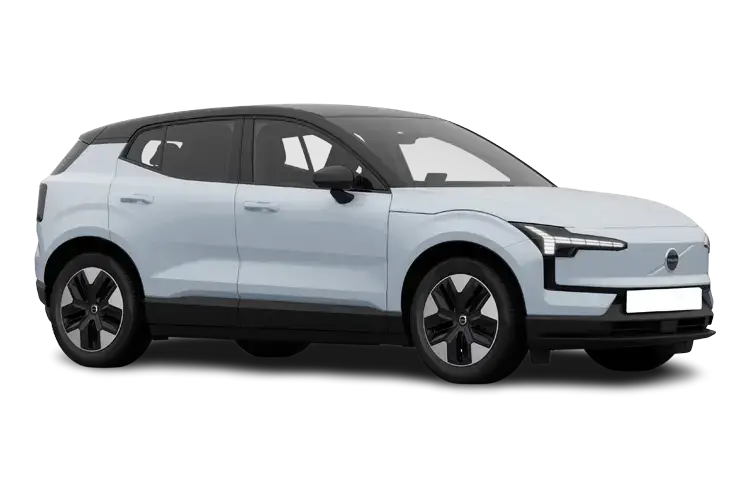
Volvo EX30 SUV
315kW Twin Motor Performance Plus 69kWh 5dr Auto
Fuel Type
Electric
Transmission
Automatic
View This Deal
Special Offer
In Stock
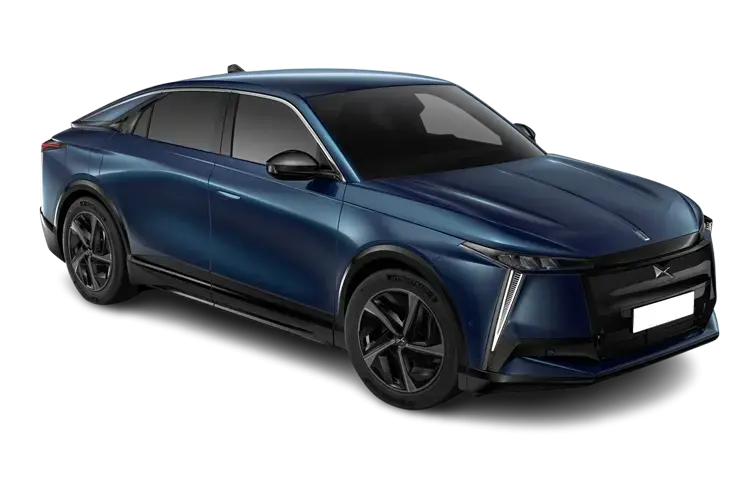
DS No8 SUV
191kW Etoile 74kWh 5dr Auto
Fuel Type
Electric
Transmission
Automatic
View This Deal
Special Offer
In Stock
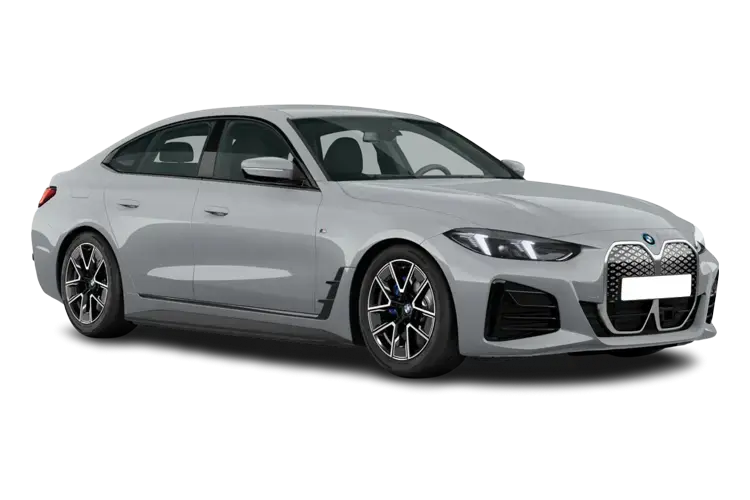
BMW i4 Gran Coupe
250kW eDrive40 M Sport 83.9kWh 5dr Auto
Fuel Type
Electric
Transmission
Automatic
View This Deal
Special Offer
In Stock
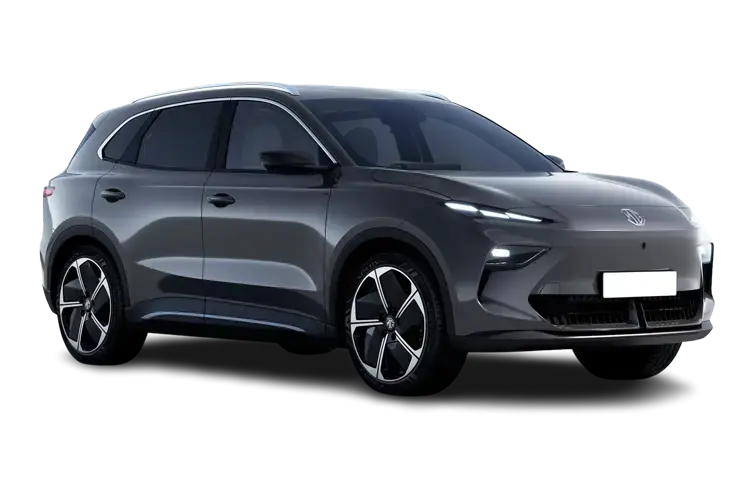
MG Motor UK MGS5 SUV
170kW Trophy EV Long Range 64kWh 5dr Auto
Fuel Type
Electric
Transmission
Automatic
View This Deal
Latest Posts
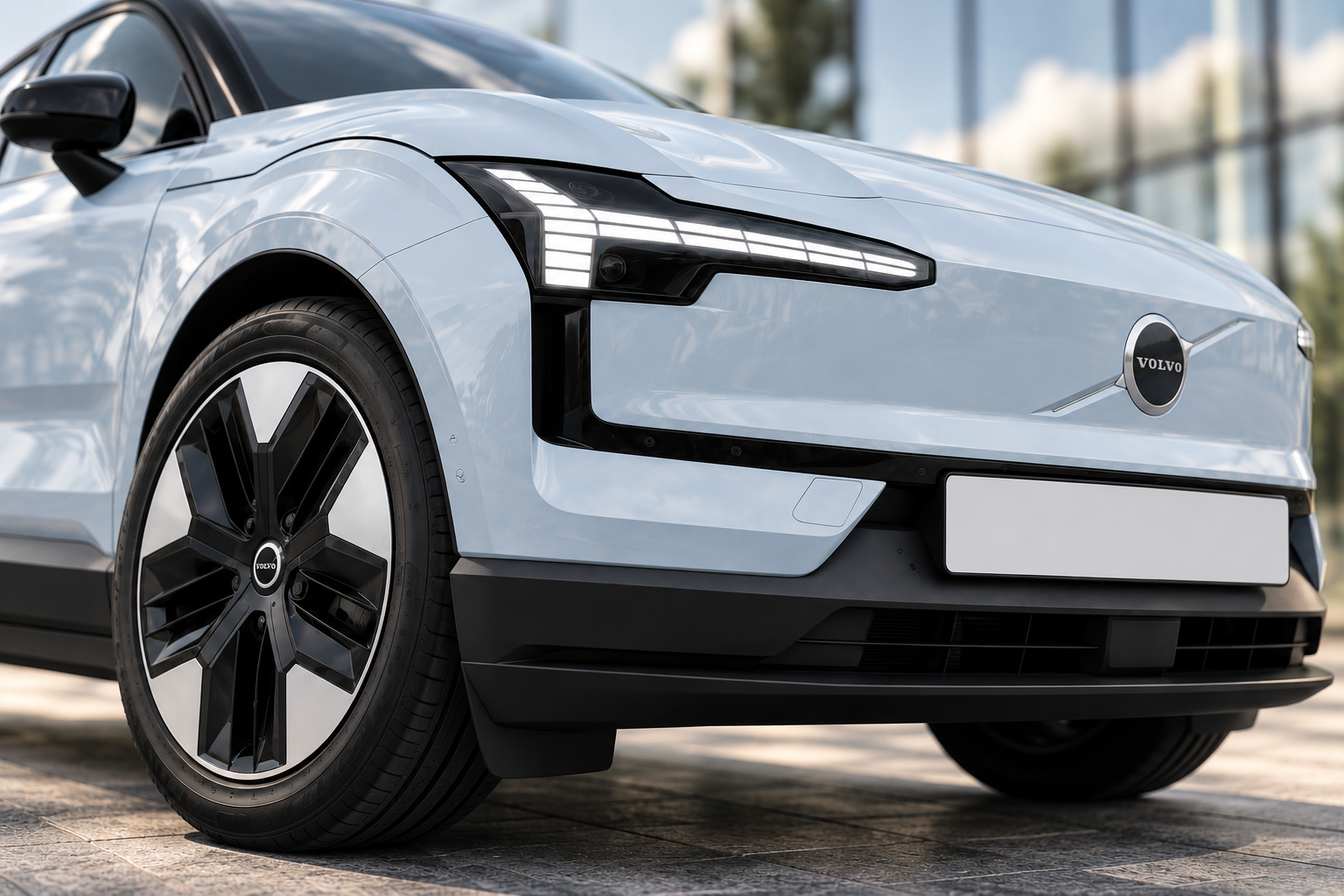
EX30 Review: Range, Interior and Everyday Practicality
Considering a Volvo EX30? The EX30...
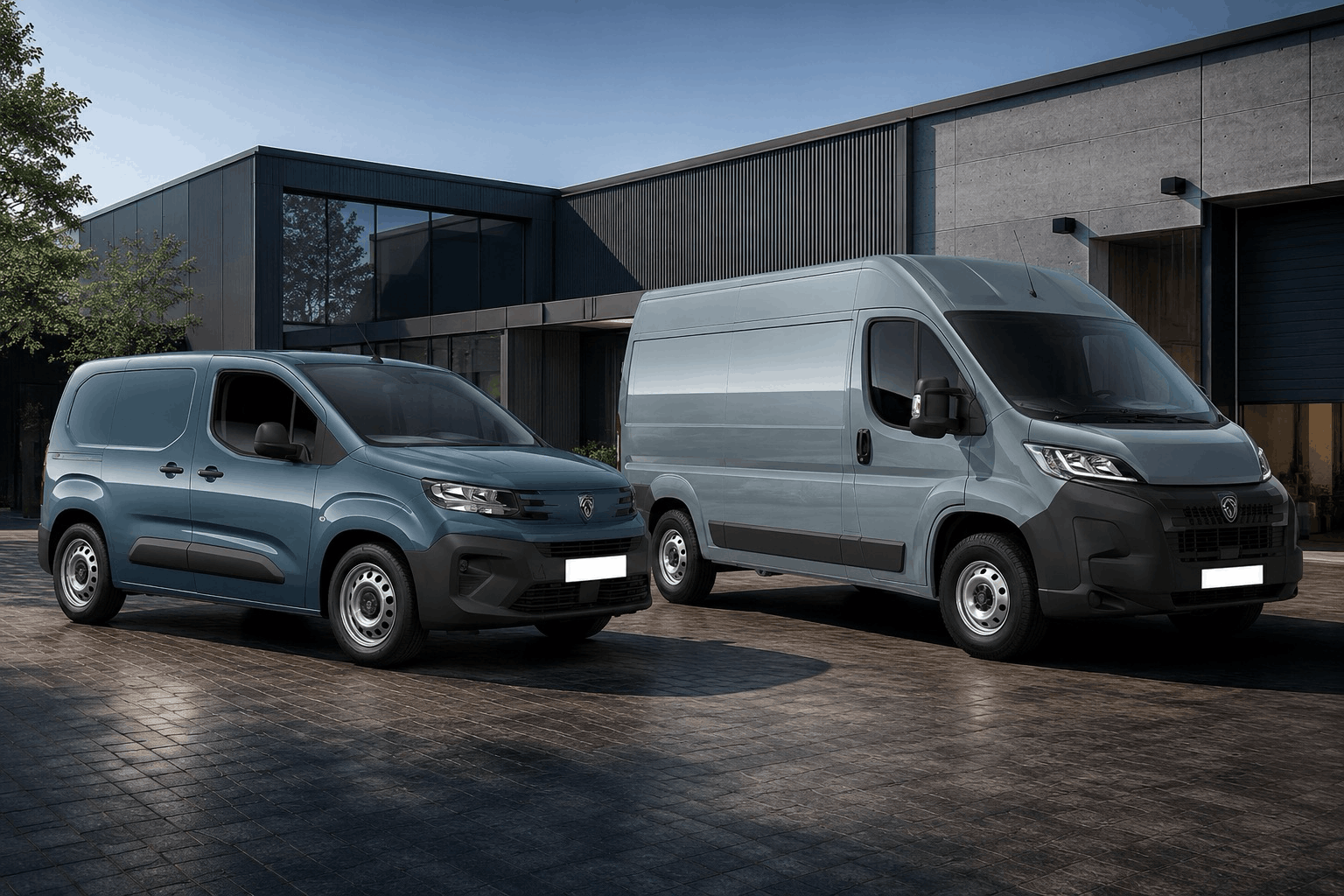
Partner or Boxer: Which Peugeot Van Is Right for You?
Choosing between the Peugeot Partner and...
Can You Lease a Used Car in the UK?
When you're looking for your next...
Everything You Need to Know About the Nissan Juke Tekna+
If you're searching for a compact...
Car Ownership in 2026: Is Owning a Car Still Worth It?
With the cost of living still...